
Impact
News, Views, Opinions

News
Gateway Program Update: Federal Funding Restored and Work Set to Continue on the Hudson River Rail Tunnel
February 23, 2026
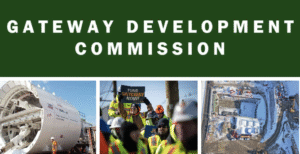
The Gateway Program’s Hudson River Tunnel Project, a cornerstone of Northeast rail infrastructure, is back on track after a period of significant uncertainty tied to federal funding and regulatory reviews. This critical initiative, which includes the Manhattan Tunnel segment of the future rail connection between New Jersey and Manhattan, has been the focus of political, legal, and logistical challenges over the past several months, and recent developments signal renewed momentum.
Why Gateway Matters
The Gateway Program is a multi-billion-dollar effort to expand and modernize passenger rail service in one of the busiest transportation corridors in the United States. Central to this effort is the replacement of aging rail infrastructure, including a new tunnel under the Hudson River, as well as the rehabilitation of the existing century-old tunnels that carry Amtrak and NJ Transit trains into Penn Station. The existing tunnels have been plagued by delays and structural vulnerability, particularly following damage from Hurricane Sandy in 2012.
The new tunnel is engineered to handle current and future demand, improve resiliency, and support the more than 200,000 daily riders who travel this corridor. Impact Environmental has been involved in this project, managing the testing and disposal of over 1 million tons of dirt and rock, much of it through Impact’s own facilities. In addition, our Founder and CEO, Richard Parrish, has served as Lead Environmental Coordinator for the SLD portion of the project from Hoboken to Secaucus.
Federal Funding Freeze and Legal Battle
In late 2025, the federal government withheld billions in federal reimbursements for the Hudson Tunnel Project, citing a new interim final rule-related review of Disadvantaged Business Enterprise (DBE) practices associated with federal infrastructure grants. The DBE program is designed to ensure that socially and economically disadvantaged firms can participate in federally funded contracts, but the U.S. Department of Transportation (DOT) paused funds as it reevaluated how DBE standards are implemented under the new rule.
This pause, which affected about $205 million in reimbursements owed to the Gateway Development Corporation (GDC), forced a temporary suspension of construction work and halted key contract awards as contractors waited for funding to be restored.
New York and New Jersey responded by filing a lawsuit in federal court, asserting that the indefinite freeze was unlawful and jeopardized jobs, economic activity, and the region’s transportation future. Officials argued the project was already legally committed to federal funding and should not be held up by regulatory disputes.
Federal Court Orders Funding Release and Work Resumes
After legal action by state attorneys general and a court order, all previously frozen federal reimbursements were released. In mid-February 2026, New York and New Jersey received the full funding owed (over $205 million) and confirmed that work on the Hudson Tunnel Project would resume immediately.
While the legal and political debate over DBE rules remains unresolved at a broader level, the Gateway Development Commission has emphasized its ongoing commitment to comply with applicable laws and keep the project moving forward. The current DBE interim rule does not terminate participation programs but requires updates and reevaluation of existing certifications — a process that is continuing alongside construction.
What’s Next for the Manhattan Tunnel and Gateway Project
With federal reimbursements restored, construction is expected to ramp up across multiple work fronts. The Manhattan Tunnel Project, a critical piece of the overall Hudson River crossing work, involves building the connection under West 30th Street and creating access pathways for tunnel-boring machines. This phase prepares the ground for major tunnel drives between New Jersey and Manhattan and protects key utilities and sewer systems during deep excavation.
Looking ahead:
-
Contractors are resuming work on the remaining portions of the tunnel and associated structures.
-
The Gateway Program continues to target a full completion timeline in the mid-2030s.
-
Despite past funding disruptions, stakeholders reaffirm the tunnel’s strategic importance for economic vitality and regional mobility.
Regional Impact
The Gateway Hudson Tunnel is more than just a transportation project. Thousands of jobs depend on it, and the modernized tunnel will support improved reliability, increased capacity, and long-term resilience for regional and national rail systems. The recent resolution on funding restores confidence for contractors, policymakers, and commuters alike, even as regulatory conversations around DBE compliance continue.
For businesses, environmental planners, and infrastructure professionals, Gateway’s progress is a reminder of how federal policy, legal action, and regulatory frameworks intersect to shape major infrastructure outcomes and how persistence and collaboration are critical to seeing them through.
Find more information at The Gateway Development Commission.